Table Of Content
- This is what Billie Eilish talks about when she’s not promoting ‘Barbie, Barbie, Barbie’
- Gods and Goddesses By Pantheon
- Archetypal Analysis: Baba Yaga as the Trickster Figure
- Ways to Work With the Old Woman, Baba Yaga
- Interpretations and Adaptations of Baba Yaga in Modern Works
- The Complexities Of A “Grandmother Witch”

The Baba Yaga is known to get around by sitting in a giant flying mortar that she steers with a proportionately large pestle, which serves as a sort of magical rudder. As she flies past, she sweeps away her tracks with a birch broom, leaving no trace behind her, a frustrating habit for whatever the Baba Yaga equivalent of Bigfoot hunters is. Baba Yaga as trickster is most clearly defined in the most famous of her tales, Vasilissa the Beautiful. Vasilissa lives happily with her mother and father until she is eight years old when her mother falls ill and calls her to her deathbed, giving her a magical doll to help her through life. She must always keep the doll with her, a secret from everyone else, and offer it food and drink whenever she faces some challenge in order to receive help. After her mother’s death, her father marries a woman with two daughters who is envious of Vasilissa’s beauty and abuses her, giving her harsh tasks, which her father can do nothing about since he is away on business trips.
This is what Billie Eilish talks about when she’s not promoting ‘Barbie, Barbie, Barbie’

The enigmatic figure of Baba Yaga has deep roots in mythology and folklore, with various iterations across different cultures. Explore the mythical background and variations of Baba Yaga in this section, along with a closer look at her physical appearance, traits, and the dual nature that defines her. The tales of Baba Yaga have also transcended cultural boundaries, adapting and transforming across different regions.
Gods and Goddesses By Pantheon
They tell him that the only way to defeat Koshchei is with a horse from the Baba Yaga. Baba Yaga, you see, breeds mares so fast that they can circle the world in a day. Ivan manages to pass the Baba Yaga's series of tests and earns himself a magic horse with which he catches up to Koshchei, burns him to ashes, and returns home with his wife. Baba Yaga demands to know why the girl is there and agrees to give her fire in return for work. She assigns Vasilissa impossible tasks, which she is able to accomplish with her doll’s help. Vasilissa remains with the witch for some time as her servant and becomes curious about a number of things but is warned by Baba Yaga that "not every question leads to good" even as she allows her to ask what she will.
Archetypal Analysis: Baba Yaga as the Trickster Figure
Cracking cast announced for The House With Chicken Legs - Harrogate Informer
Cracking cast announced for The House With Chicken Legs.
Posted: Sat, 19 Aug 2023 07:00:00 GMT [source]
In Slavic folklore, Baba Yaga is a hideous looking ogress with supernatural abilities who lives in a very dense forest. She is either seen as an evil witch who kidnaps and eats her victims, mostly children, or a wise old woman who helps people become better versions of themselves. Upon close inspection of the Slavic folklore about Baba Yaga, one quickly realizes that she is not your typical kind of witch with flying broom/mop and a pointed black hat. Instead Baba Yaga is said to travel on magical mortar and pestle that flies in the air.
Ways to Work With the Old Woman, Baba Yaga
In the tale of Baba Yaga and Vasalisa the Wise, Baba takes on her typical personality as the fearsome witch in the wood. The young maiden, Vasalisa, is sent away by her evil stepmother and stepsisters. They selfishly and sadistically hope that Vasalisa will die in the cold, dark forest. But instead, Vasalisa comes to the hut of Baba Yaga, and the old woman offers her life as well as shelter and food in return for Vasalisa’s hard work around the house. One of the most beloved (and feared) figures in Russian and East Slavic folklore, Baba Yaga is more than just a witch. She’s a rumored cannibal who lives in a strange rotating house and flies around in a magical mortar and pestle--but she’s also a helpful grandmotherly figure.

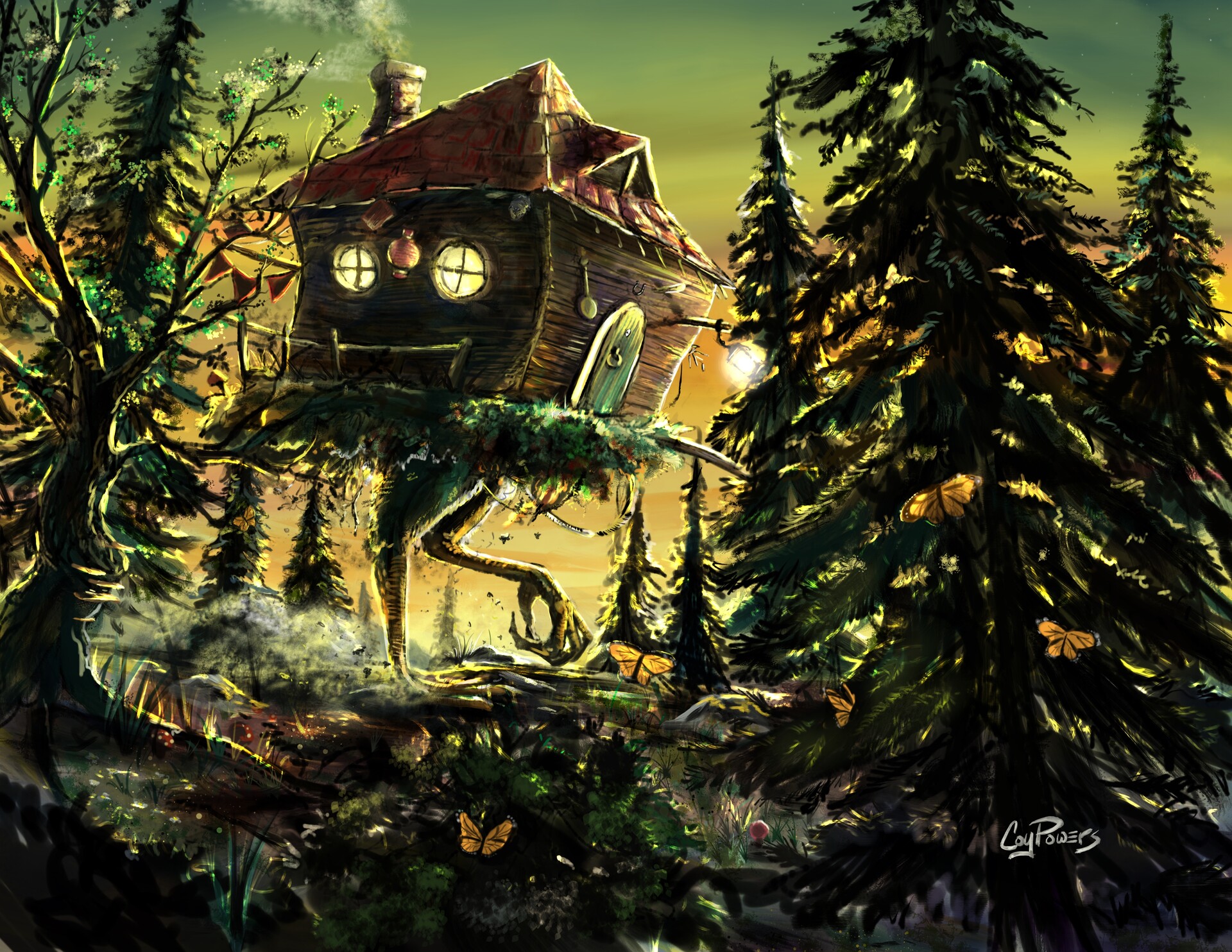
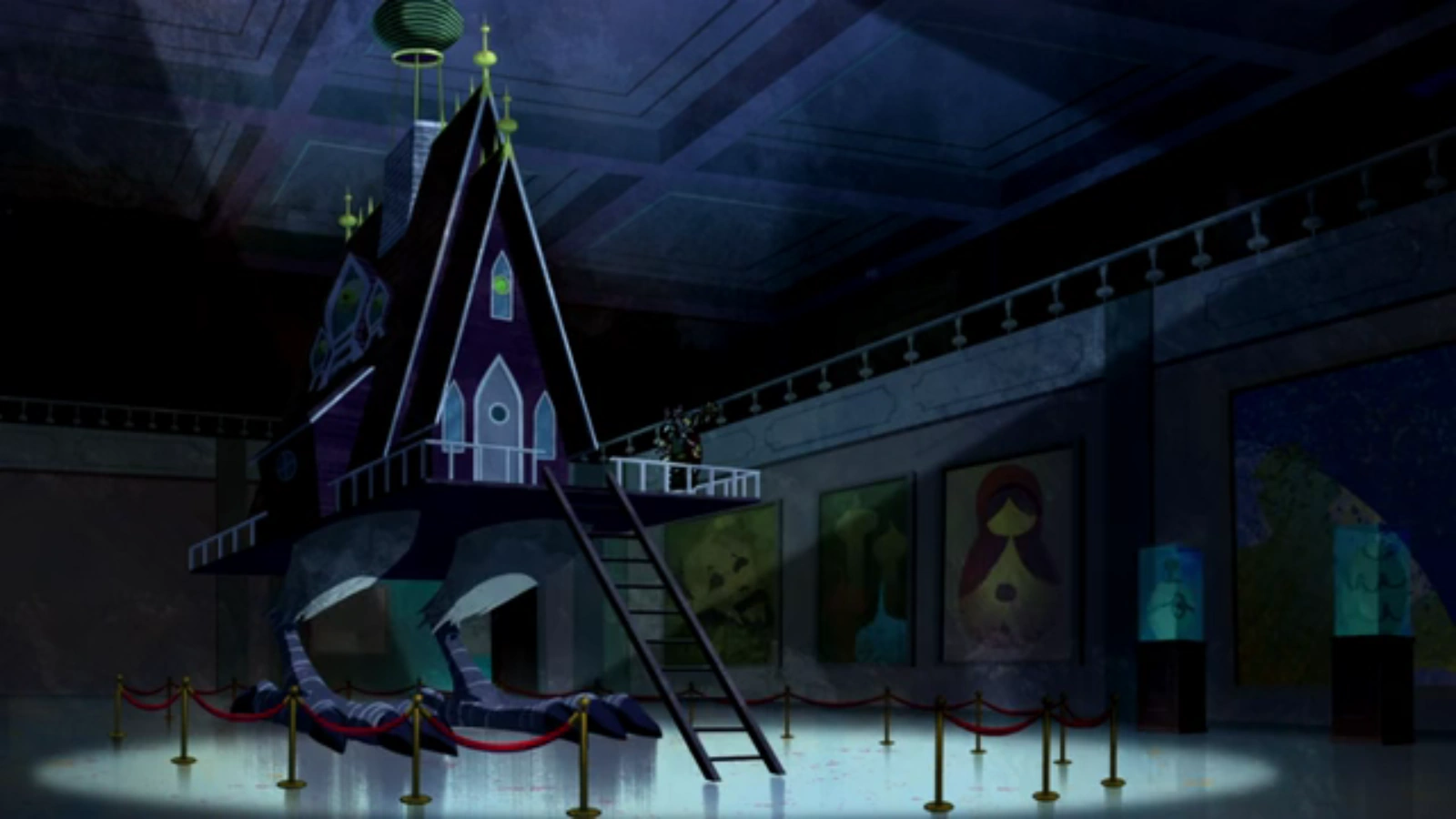
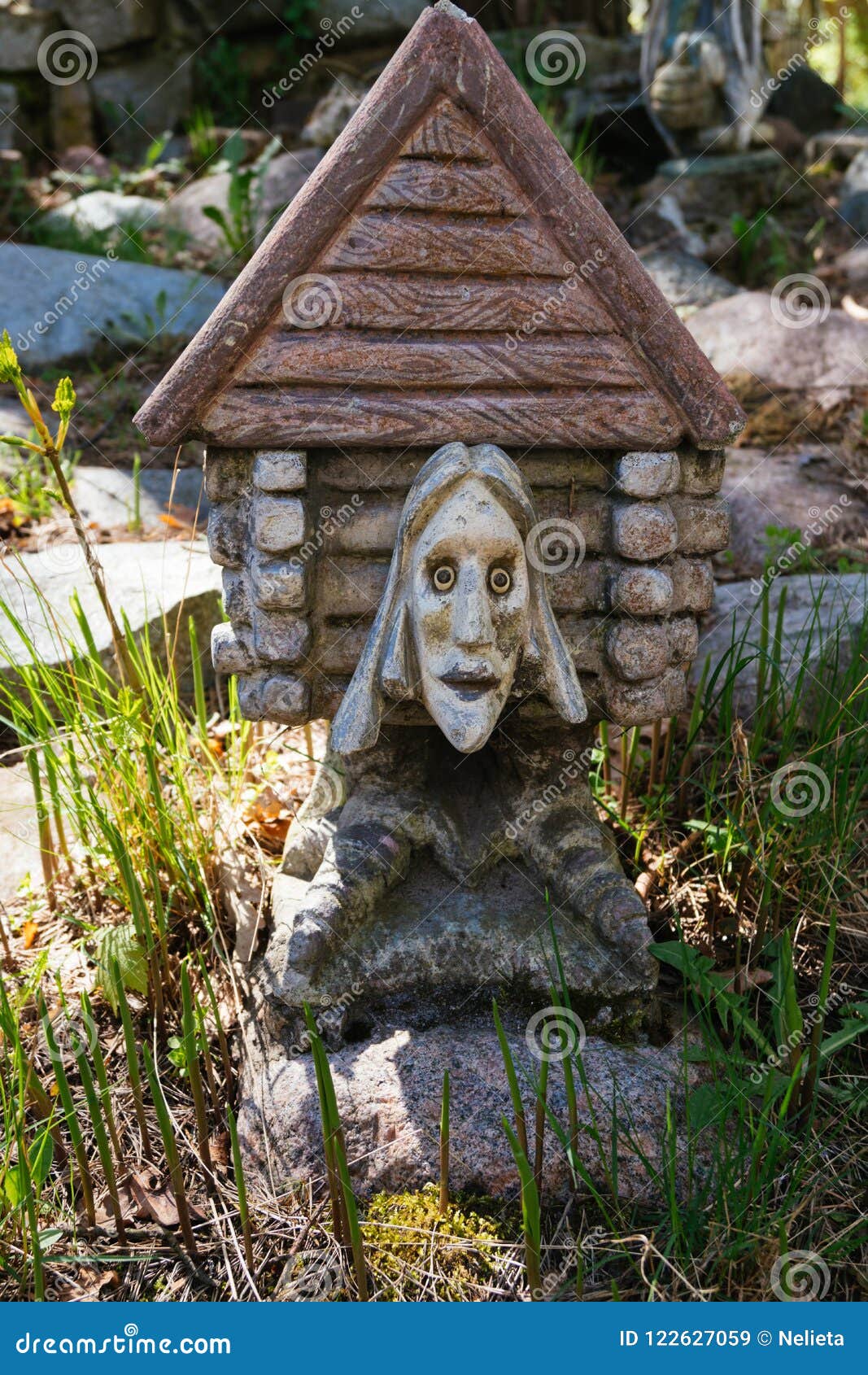
However, there have been some portrayals of her residing in a very magnificent mansion. Irrespective of a hut or a mansion, Baba Yaga’s home is often not ordinary so to speak. In the folklore, her home is usually supported by two massive chicken legs. This allows her to uproot the house and move wherever or whenever needed. In some eastern European languages, baba is the name for “pelican”.
Interpretations and Adaptations of Baba Yaga in Modern Works
Furthermore, it was not uncommon for some Slavic communities to place the dead on wooden platforms raise up on poles. This allowed the corpses to dry out so that the bones could be preserved. Those imagery probably had an influence on the depiction of Baba Yaga’s house. If this were the case, then the old witch at some point did indeed have children of her own.
“Gamayun Tales II: Vasilisa and the Doll” - Multiversity Comics
“Gamayun Tales II: Vasilisa and the Doll”.
Posted: Thu, 26 Aug 2021 07:00:00 GMT [source]
Instead of flying on a broom, she uses mortar or an iron kettle and pestle to fly. Again, another feature shared with Holda and Berchta of Germanic origin. But to further elaborate on her iron nose, it’s said lin a few tales that she can smell the presence of humans.
Her tales and legends have left an indelible mark on various aspects of culture, from literature to art to popular media. Beyond the story of Vasilia the Beautiful, the folklore of Baba Yaga encompasses a range of additional tales. These stories often delve into themes of transformation, personal growth, and the consequences of human actions.
Lisa Howard played Baba, while Eve De Leon Allen played Marinka. Determined to rescue her grandmother, Marinka devises a plan to bring her back, but this decision leads to a series of unfortunate events and mishaps. The Slavic witch serves as a threat and reminder for those who leave the beaten path. In many ways, Baba Yaga has represented the exact opposite of society’s ideal woman for centuries — and she still does to this day. We will examine why Baba Yaga remains a beloved and fascinating character, continuing to inspire new generations of storytellers and artists.
Although she kidnaps and eats children and seems to go hunting for them throughout the day for her evening meal, Baba Yaga also serves as a catalyst for change. There are a number of tales in which she acts as an agent of transformation, helping the heroine or hero toward self-actualization and the completion of a quest. In these tales, and even in the others where she is depicted as the villain, Baba Yaga epitomizes the mythological trickster archetype. Chulkov’s mention of the granddaughters of Iagaia baba reflects another similarity between the goddess and the later witch in that Baba Yaga is sometimes depicted as having two daughters or two sisters. Some scholars, in fact, refer to the figure in the plural as Baba Yagas, all essentially the same entity, their only differences the most superficial.
In one story, a young princess flees the witch's hut to escape ending up in her oven, and during her flight ends up creating a mountain range, a forest, and a lake with various magical items to slow the Baba Yaga down. In this way, the seemingly monstrous Baba Yaga has led to the creation of a new world. The Baba Yaga is both a mother and a trickster because these are the modes in which many men see all women. The House with Chicken Legs is a 2018 middle-grade fantasy novel by Sophie Anderson, illustrated by Elisa Paganelli.
The skulls on top the fence are placed there to warn off anyone who tries to trespass. Bare in mind, this old witch does not only eat children; she is known in the folklore to eat strangers that get lost in the forest and then wander into her lair. Baba Yega might have the usual outward appearance of how witches were portrayed in old folklore, i.e. old and disheveled looking woman with long finger nails; however, she a bit different.
For centuries, this legendary witch has kept countless children from straying too far — both literally and figuratively — from their families. She marries the tsar’s son and moves into a palace, never to be bothered by Baba Yaga or her stepmother again. Baba Yaga’s influence extends far beyond her mythical origins. She has become an iconic figure in literature, art, and film, with many contemporary works drawing inspiration from her enigmatic persona.
Baba Yaga has a frightening ability to remove her hands from her body so she can have them do her bidding. The Russian witch is described as a deformed, scraggly old woman with bony legs, a very long crooked nose, piercing cold eyes, and iron teeth. Every single body part, including her eyes, ears, feet, hands, and mouth are grotesque and deformed. With a demeanor that is powerful and highly tempestuous, she instills fear and guarded respect in everyone that encounters her. This ambiguity is no accident, but rather is tied to her connection to femininity and the natural world, as a sort of earth mother.
Regarding the word Yaga, its roots have been difficult to find. The commonly accepted view is that the word evokes something unpleasant, horrible or horrifying. In early Latin, yaga was related to the word for snake or serpent. Historic Mysteries provides captivating articles on archaeology, history, and unexplained mysteries. When a protagonist comes to her, she only knows their presence by smell.